
Ditch Whey. Go Fungal.

Whey protein has been the undisputed king of the gym for decades. But for a growing segment of active people, the king is being dethroned.
The shift toward plant-based protein isn't just a lifestyle choice or an environmental statement; it's a performance-driven decision. From digestive comfort to the inclusion of functional compounds, the science is starting to favor a more diverse protein portfolio.
1. The Digestibility Factor: No More Bloat
The single most common complaint about whey protein is digestive distress. Because whey is a byproduct of dairy, it contains lactose—a sugar that roughly 65% of the global population has a reduced ability to digest.
Systemic Inflammation
Dairy can be inflammatory for many people, leading to skin issues, joint discomfort, and that "heavy" feeling that ruins a post-workout high.
Bioavailability
Plant proteins like pea and rice, especially when combined, offer a digestibility profile that is much gentler on the gut, allowing for faster nutrient absorption without the bloat.
A study in the Journal of the International Society of Sports Nutrition found that pea protein yielded identical muscle thickness gains to whey protein in athletes during an 8-week resistance training program.
2. The Amino Acid Gap Has Closed
The old argument was that plant protein was "incomplete." While technically true for individual plants, modern formulations create a complete amino acid profile that rivals whey.
By blending pea and rice protein, we achieve a leucine content—the key amino acid for muscle synthesis—that matches high-quality whey isolates.
| Metric | Whey Protein | Plant-Based (Blend) |
|---|---|---|
| Amino Profile | Complete | Complete (via Blending) |
| Digestibility | Often Disruptive | High / Gentle |
| Bioactives | None | Fibre + Phytonutrients |
| Inflammation | Potential Trigger | Low / Anti-inflammatory |

3. Functional Compounds: The Third Kingdom
This is where the "Ditch Whey" argument becomes undeniable. Whey is just protein. But by using plant-based protein as a base, we can integrate functional mycelium—compounds that offer benefits whey structurally cannot.
🧠 Mental Clarity
Integrating Lion's Mane supports focus and cognitive function alongside physical recovery. It's protein for the body and NGF support for the mind.
🔋 Cellular Energy
Cordyceps supports ATP production, helping you recover energy levels faster than protein alone. Perfect for pre or post-workout stamina.
🛡️ Immune Support
Beta-glucans found in mycelium modulate the immune system, which is often suppressed after intense training. Reishi mycelium helps with cortisol modulation and recovery.
The Honest Truth: Whey isn't "bad." It's just a single-tool solution in a multi-challenge world. If you want to optimize for more than just muscle—if you care about gut health, inflammation, and cognitive edge—the move to plant-based is the logical next step.
Fuel Your Journey

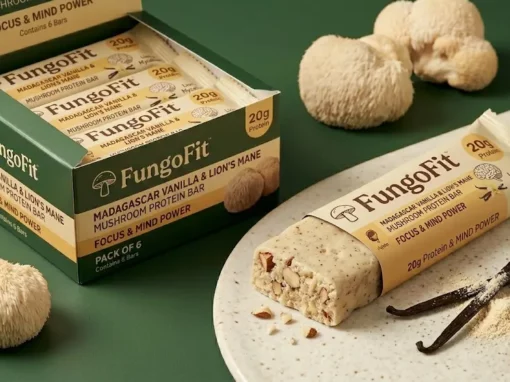
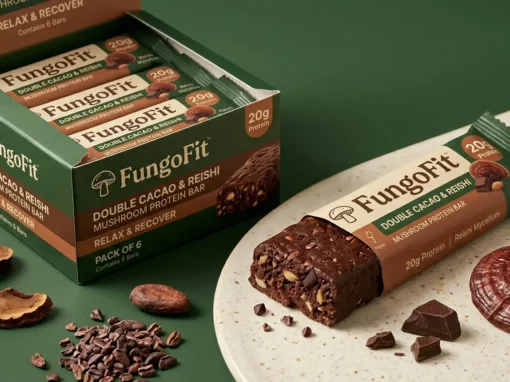
The Verdict
Whey protein isn't broken. It's just no longer the only credible option. The digestibility advantage of plant-based protein is real. The amino acid profile gap has closed. And the opportunity to combine protein with genuinely functional compounds is something whey structurally cannot offer.
Shop the CollectionReal food. Fungal power.