Healthy Snacks: What to Eat Between Meals for Real Energy
Most snacks leave you crashing an hour later. Here's how to choose foods that genuinely fuel your body — and which ones are worth keeping in your bag every single day.
Whether you're fuelling a workout, getting through a long work day or just need something satisfying between lunch and dinner, this guide covers everything you need to know about healthy snacks — what they actually are, what to look for, and which options genuinely deliver.
What Makes a Snack Actually "Healthy"?
The word "healthy" gets thrown around on packaging constantly — but it's often misleading. A snack that's low in fat might be loaded with sugar. One that's "high protein" might come with 20+ artificial additives. So before diving into specific foods, it helps to know what to look for.
A genuinely healthy snack should do at least two of these three things:
- Provide sustained energy — through complex carbohydrates, healthy fats or protein, rather than simple sugars that spike and crash.
- Keep you satiated — so you're not rummaging around the kitchen again 20 minutes later. Fibre and protein are the key nutrients here.
- Add genuine nutritional value — vitamins, minerals, antioxidants, or functional ingredients that support your health beyond just calories.
Quick label tip: If sugar appears in the first three ingredients, put it back. If you can't pronounce half the ingredient list, that's a red flag. The fewer the ingredients, the better — usually.
The Best Healthy Snacks to Eat Between Meals
Here are the snack categories that consistently deliver on nutrition, satiety and taste — grouped by what they're best for.
🥜 For Sustained Energy: Nuts & Nut Butters
Almonds, walnuts, cashews and Brazil nuts are among the most nutrient-dense portable snacks available. They combine healthy fats, plant-based protein and magnesium — a mineral that plays a direct role in energy metabolism. A small handful (around 30g) is the ideal portion.
Nut butters work just as well — spread on oatcakes or apple slices, they become a balanced snack that hits fat, carbohydrate and protein in one go. Look for natural versions with no added sugar or palm oil.
🫐 For Micronutrients: Fruit & Berries
Fresh fruit is nature's original fast food — portable, naturally sweet and packed with vitamins, antioxidants and fibre. Berries in particular (blueberries, raspberries, blackberries) are exceptionally high in antioxidants relative to their calorie content.
The key is pairing fruit with a protein or fat source to prevent a rapid blood sugar spike. Try blueberries with Greek yogurt, or apple slices with almond butter.
🥚 For Protein: Eggs, Edamame & Greek Yogurt
If you're looking for healthy savory snacks, hard-boiled eggs are one of the most underrated options. They're high in complete protein, rich in choline (essential for brain health) and genuinely filling. Edamame is a brilliant plant-based alternative — half a cup delivers around 9g of protein.
Plain Greek yogurt with a drizzle of honey is another crowd-pleaser: it combines protein, probiotics and calcium in a snack that takes under two minutes to prepare.
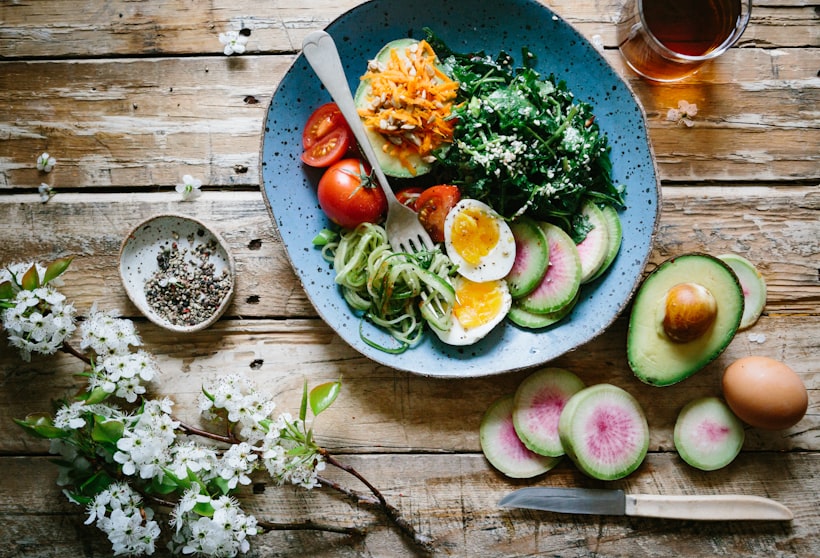
The best healthy snacks are often the simplest: whole foods with minimal processing.
🍫 For a Treat That Doesn't Derail You: Dark Chocolate
Contrary to what you might expect, dark chocolate (70%+ cacao) is genuinely nutritious. It's rich in flavonoids — plant compounds with antioxidant properties — and contains small amounts of iron, magnesium and zinc. A couple of squares alongside a handful of nuts is one of the most satisfying afternoon snacks going.
🍄 For Functional Nutrition: Mushroom Protein Bars
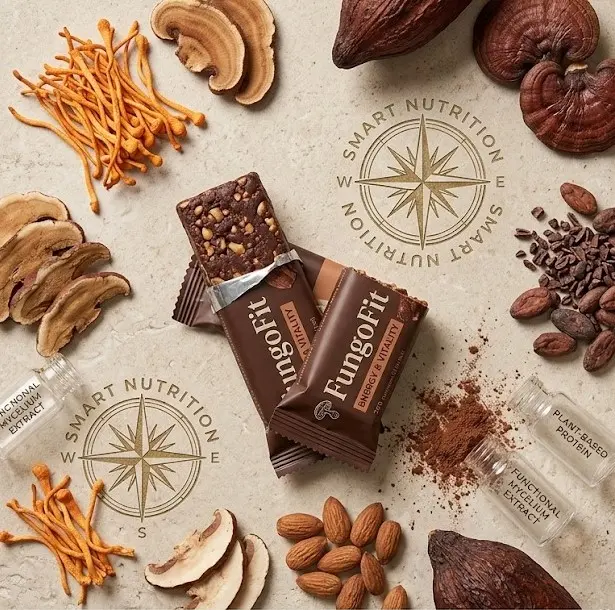
This is where things get more interesting. A growing category of nutritional snack bars now incorporates functional mushrooms — varieties like Lion's Mane, Reishi and Cordyceps — alongside high-quality plant protein. These aren't just calorie fillers; they're formulated to support cognitive performance, immune function and sustained energy output.
FungoFit's bars are built exactly on this principle: real whole-food ingredients, 20g of plant protein per bar, and a meaningful dose of functional mushroom extracts — all in a format that actually tastes good.
Mixed Nuts
30g. Healthy fats + protein. Ideal mid-morning.
Apple + Nut Butter
Fibre + fat combo. Keeps blood sugar stable.
Hard-boiled Eggs
Complete protein. Great pre-workout or desk snack.
Berries + Yogurt
Antioxidants, probiotics, calcium. Quick to prep.
Dark Chocolate
70%+ cacao. Flavonoids + magnesium. 2 squares.
Mushroom Protein Bar
20g protein + functional mushrooms. On-the-go fuel.
Healthy Snacks and Weight Management
A common misconception is that snacking causes weight gain. The research suggests otherwise: the quality and timing of snacks matter far more than whether you snack at all.
Snacks that are high in protein and fibre have been shown to reduce overall calorie intake at the next meal by promoting satiety. Conversely, ultra-processed snacks — crisps, biscuits, sugary drinks — often increase appetite rather than curbing it, due to their low fibre content and rapid digestion.
If weight management is a goal, the winning strategy is to build snacks around protein first (aim for at least 10–15g per snack where possible), add fibre through vegetables or whole fruits, and keep processed sugars low. This approach stabilises appetite hormones like ghrelin and leptin — the two biggest drivers of unnecessary overeating.
Pre- and Post-Workout Snacks: What's Different?
Timing and composition shift slightly when exercise is involved. Here's what the evidence broadly suggests:
Before exercise (30–60 minutes prior)
Your body needs readily available energy without sitting too heavily in the stomach. Moderate-carbohydrate snacks with some protein work well — a banana with a spoonful of almond butter, or a FungoFit Cordyceps bar, which pairs clean carbohydrates with plant protein and energy-supporting Cordyceps mushroom.
After exercise (within 30–60 minutes)
This is when your muscles are most receptive to protein for repair and growth. A higher-protein snack is ideal here: Greek yogurt, eggs, or a protein bar with 15g+ protein. Recovery is also when functional mushrooms like Reishi — known for their anti-inflammatory properties — can be particularly beneficial.
On-the-go workout tip: If you train away from home, a high-quality protein bar is one of the most practical options — no prep, no refrigeration needed, and it covers both carbohydrate and protein in a single pack. Just check that it has fewer than 10g of sugar.
How Functional Mushrooms Upgrade Your Snacking
Most people already know the basics of healthy snacking. What's newer — and genuinely exciting — is the role that functional mushrooms can play as part of a smart snack strategy.
Unlike common edible mushrooms, functional varieties like Lion's Mane, Reishi, Cordyceps and Turkey Tail contain bioactive compounds that interact with various systems in the body. These aren't supplements you need to take separately — FungoFit has incorporated them directly into protein bars, making it easy to get a meaningful dose alongside real nutrition.
- Lion's Mane — studied for its potential role in supporting nerve growth factor (NGF) and cognitive performance. Popular as a focus and clarity aid.
- Cordyceps — traditionally used by athletes to support oxygen utilisation and reduce fatigue. Research suggests benefits for aerobic capacity.
- Reishi — often called the "mushroom of immortality" in traditional Chinese medicine. Known for its adaptogenic and anti-inflammatory properties.
- Turkey Tail — one of the most researched mushrooms for immune support, containing beta-glucans that interact with immune cell receptors.
Healthy Snacks vs. Ultra-Processed Snacks: A Direct Comparison
Not all snacks are created equal. Here's how whole-food and functional snacks stack up against the typical processed alternatives:
| Snack Type | Protein | Fibre | Artificial Additives | Sustained Energy |
|---|---|---|---|---|
| Standard crisps | ✗ Low | ✗ Low | ✗ Many | ✗ No |
| Cereal / granola bar | ✗ Low | ~ Medium | ✗ Often | ✗ Short-lived |
| Mixed nuts | ✓ Medium | ✓ Good | ✓ None | ✓ Yes |
| Greek yogurt + berries | ✓ High | ✓ Good | ✓ None | ✓ Yes |
| FungoFit Protein Bar 🍄 | ✓ 20g | ✓ Good | ✓ None | ✓ Yes + Adaptogens |
Real Food. Fungal Power.
FungoFit protein bars combine 20g of plant-based protein with functional mushrooms — no artificial sweeteners, no compromise on taste. The smarter snack for people who take nutrition seriously.
5 Practical Tips for Healthier Snacking Habits
Knowing what to eat is only part of the equation. These habits make a real difference in practice:
1. Prep in advance. The biggest barrier to healthy snacking is convenience. Wash and chop fruit and veg at the start of the week. Keep nuts pre-portioned. Have protein bars in your bag. When the healthy option is the easiest one, you'll default to it.
2. Eat on a plate. Research consistently shows that people eat less when they plate their food — even snacks — compared to eating straight from the packet. It sounds trivial, but it signals your brain that this is a meal, not mindless eating.
3. Drink water first. Thirst is frequently misidentified as hunger. If you feel a snack craving coming on, drink a full glass of water and wait 10 minutes. If you're still hungry, eat. You may find the craving was just dehydration.
4. Time your snacks intentionally. Rather than snacking reactively (when hunger strikes), try building in planned snack windows — mid-morning around 10:30am and mid-afternoon around 3:30pm. This prevents the blood sugar dips that drive poor food choices.
5. Read ingredients, not just macros. A protein bar with 20g protein sounds great — until you see it's held together by 15 different emulsifiers and artificial sweeteners. Ingredients list quality matters as much as the headline numbers. Real, recognisable ingredients are always the goal.
Frequently Asked Questions
Try FungoFit — Smart Nutrition on the Go
Three delicious flavours. 20g plant protein. Functional mushrooms in every bar. Free UK delivery on your first order.